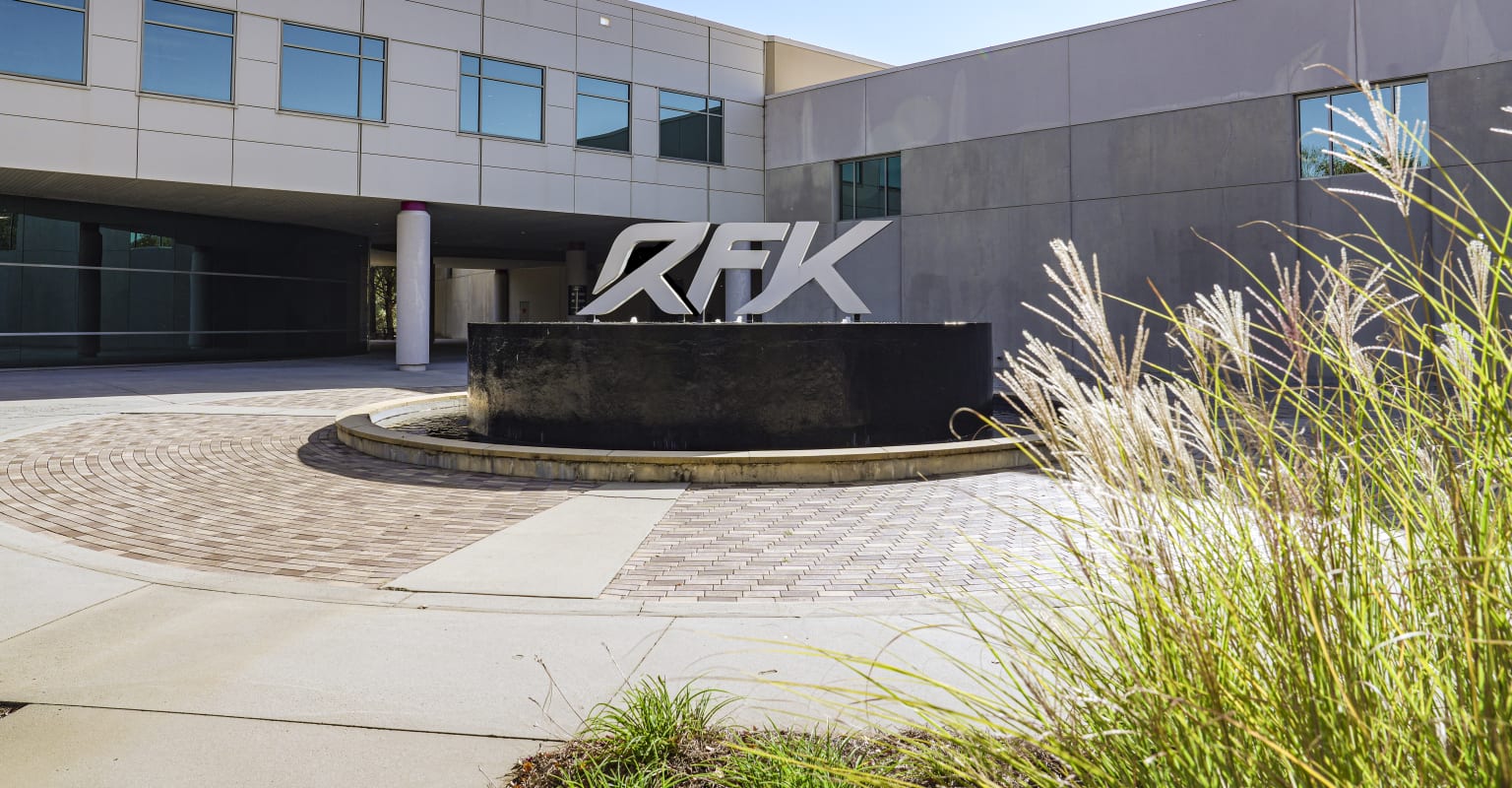
via rfkracing.com
via rfkracing.com
Jun 19, 2026, 12:30 AM CUT
RFK vows to revive its lost legacy despite $100M crisis over its head
RFK Racing has now made it clear that it would like to stay a three-car Cup Series organization in 2027. They insisted that a three-car approach remains their racing intention even if a third charter is not secured.
The stance is significant because, currently, the team operates Ryan Preece’s No. 60 Ford through a leased charter. Now the issue is that the organization is facing a tighter charter market with valuations reportedly hitting the nine-figure mark.
Explaining the organization’s position, RFK president Chip Bowers, in an interview with SiriusXM NASCAR Radio, said, “It’s a big decision, and it’s something we’re going to be extremely thoughtful about. I’ll tell you the number one thing that is non-negotiable inside the walls of this company is that we’re going to be a Tier 1 team.
"And you can’t do that running a two-car operation. So we will find a third charter. If we have to run open next season, we will do that.”
In 2025, RFK decided to expand to three full-time Cup Series entries and has always held that they will not scale back due to what the organization has now adapted to.
“We spun up the tech. We spun up the staff. We have great people in and around each of the cars. We have great partnerships. We’re in a sold-out position right now across the garage. So for us, all metrics are very positive,” Bowers said.
On the question of an increase in charter prices, Bowers added, “The value of a charter has never been greater than it is coming out of the last year and the dawn of the new premier charter. Do I think it’s worth what’s being advertised? No.”
But why have these charter values suddenly been exploding? Well, let’s find out.
Charter scarcity driving NASCAR's financial arms race
NASCAR charter prices are increasing due to a simple play of market forces. Supply here seems to be fixed at 36 charters while demand is shooting up.
The reason is that charters guarantee race entry and provide teams with a larger share of NASCAR revenue, making them valuable income-producing assets.
Now add on to that this new permanent-style charter framework that gives the owners even more long-term certainty. What this results in now is these charters being viewed as sports franchise assets rather than the simple competition licenses they were actually intended to be.
Recent transactions showcasing that valuations are now approaching the $100 million mark are creating an environment that is very competitive and exorbitant for any team that is looking forward to expansion.
Follow the RFK Racing Digest for more updates!
Written by

Uday Jakhar
Edited by

Suyashdeep Sason